
 ENG
ENG
 ARA
ARA
 FRE
FRE

Offbeat Hill Stations in India Nobody Talks About
21 August 2026

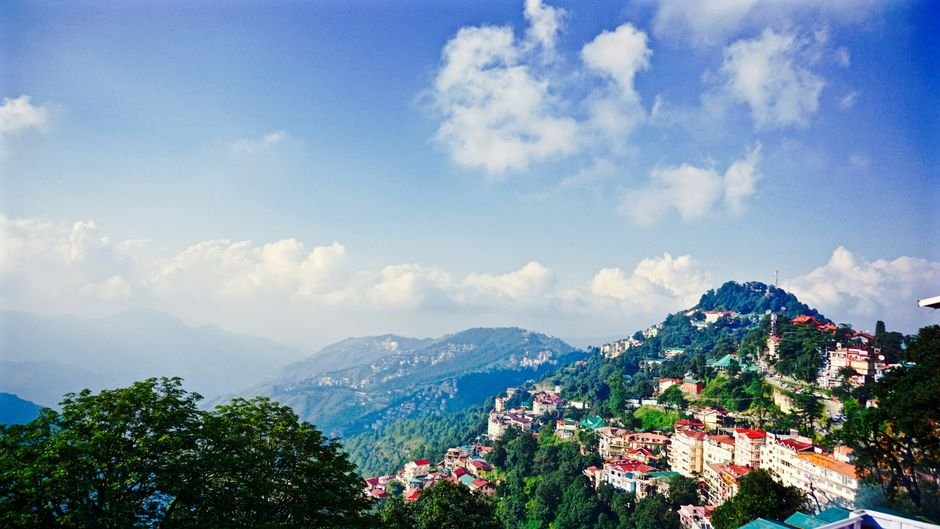
Shimla and Manali get so much attention that it's easy to forget India has hundreds of hill towns most travelers never hear of. These are the ones with no traffic jams on Mall Road, no wait for a hotel room with a view, and no crowd between you and the mountain. If Shimla and Manali are starting to feel more like a weekend market than a mountain escape, here's where seasoned travelers go instead.
Chopta gets called Mini Switzerland often enough that it's practically its nickname, but unlike most hill stations, it hasn't been overrun because of it. Rhododendron forests, alpine meadows, and Himalayan views come with almost none of the commercial buildup you'd expect. It's also the base camp for the trek to Tungnath — the highest Shiva temple in the world — and the Chandrashila summit beyond it, which rewards an early climb with a genuinely spectacular sunrise. With over 240 bird species recorded here, it's a strong pick for birdwatchers too.
Best time: March–June and September–November. How to reach: Drive from Rishikesh (roughly 7 hours) or Haridwar (8 hours); shared jeeps run from Devprayag.
Often nicknamed Little Kashmir, Munsiyari sits at 2,200m in the Johar Valley, framed by the five Panchachuli peaks. It's the gateway to glacier treks (Milam, Namik, Ralam), home to a genuinely warm Johari community, and quiet enough that evenings mean bonfires and conversation rather than crowded cafés. Its remote location — over 700km from Delhi — is exactly what has kept it this way.
Best time: April–June and October–November for trekking; December–March for snow, if you're prepared for the cold. How to reach: Nearest railway station is Kathgodam (275km), followed by taxi or local bus.
While Kasol and Manali soak up most of Himachal's tourist traffic, Tirthan Valley — tucked against the Great Himalayan National Park — stays genuinely untouched. Crystal-clear rivers, trout fishing, and riverside camps replace the malls and cafés found elsewhere in the state. It's less a "sightseeing" destination and more a place to slow down completely for a few days.
Best time: March–June and September–November. How to reach: Roughly 500km from Delhi; nearest airport is Bhuntar (Kullu).
Ziro isn't really competing with Shimla or Manali at all — it's a different kind of trip. Emerald rice fields, rolling hills, and the distinct culture of the Apatani tribe (UNESCO-recognized for their unique facial tattoo traditions and sustainable farming practices) make this one of Northeast India's most culturally rich, least-visited destinations. If Munsiyari or Tirthan Valley still feel too familiar, Ziro is the next step further off the map.
Best time: March–October, with the Ziro Music Festival (a major draw) typically held in September. How to reach: Nearest airport is Lilabari (Assam), followed by a 3–4 hour drive.
Kalpa sits quietly in the Kinnaur Valley, offering sweeping views of the Kinner Kailash range without the crowds of nearby Kalpa-adjacent Sangla or the more famous Spiti circuit. Apple orchards line the town in season, and the pace here is slow by design — this is a place for long walks and mountain views, not a checklist of activities.
Best time: June–October. How to reach: Roughly 250km from Shimla via the Hindustan-Tibet Highway.
Yumthang blooms into a riot of rhododendrons between March and May, but it holds a different kind of beauty in winter, when frost and snow turn the meadows white and still. It's often visited as a day trip from Lachung, but travelers who stay longer get a much quieter, more complete experience of one of Sikkim's most striking landscapes.
Best time: March–May for blooms, December–February for snow. How to reach: Via Gangtok to Lachung (roughly 5–6 hours), then a short drive to the valley.
Every destination on this list trades a bit of convenience for something the mainstream hill stations have largely lost: quiet. No traffic jams to reach a viewpoint, no scramble for a table at a café, and a much better chance of an actual conversation with the people who live there. They also tend to be considerably cheaper — Munsiyari, for instance, runs about ₹7,000–10,000 per person for a modest multi-day trip covering stay, food, and local travel.
Which offbeat hill station is best for a first-time visitor? Chopta and Tirthan Valley are both relatively easier to reach and organize, making them good starting points before venturing into more remote destinations like Munsiyari or Ziro Valley.
Are offbeat hill stations safe to visit? Generally yes, though it's worth checking road and weather conditions in advance, carrying cash, and booking accommodation ahead since options are limited compared to mainstream hill stations.
Is Munsiyari better than Manali for a quiet trip? If quiet and uncrowded is the priority, yes — Munsiyari offers similar Himalayan scenery with a fraction of Manali's tourist traffic, though it requires more travel time to reach.
What's the best time to visit these offbeat hill stations? Most are best from March to June and September to November, though a few — like Yumthang and Munsiyari — also offer a distinct, worthwhile winter experience for travelers prepared for the cold.
From Chopta's meadows to Ziro's rice fields, our team at Flying Carpet Travel Corporation can help you plan a trip to India's offbeat hill stations, including local stays, permits where needed, and the right season for each destination.
21 August 2026
15 August 2026
Compare quotes from top travel experts