

 ENG
ENG
 ARA
ARA
 FRE
FRE

Meghalaya Travel Guide: Living Root Bridges, Best Time & Itinerary
14 September 2026

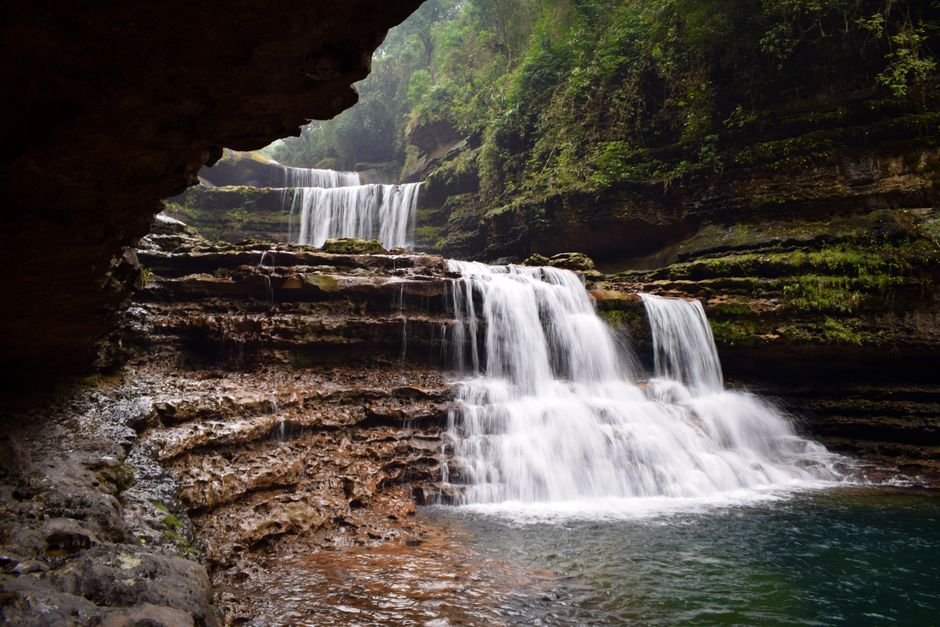
Meghalaya breaks the usual rule of Indian hill travel: most hill stations tell you to skip the monsoon. Meghalaya tells you to plan around it. This is one of the wettest places on Earth, and that's exactly the point — waterfalls here don't trickle, they roar, and the region's most famous attraction is something no other Indian destination has: bridges grown, not built, from living tree roots over generations.
If Northeast India has been sitting on your "someday" list, here's what an actual Meghalaya trip looks like — the routes, the timing, and the one thing most first-timers get wrong.
Meghalaya's living root bridges are a genuine one-of-a-kind sight — hand-guided over decades by the Khasi and Jaintia communities, who train the roots of rubber fig trees across streams until they form a strong, living crossing. The most famous is the double-decker bridge at Nongriat, near Cherrapunji, with two layers of roots stacked on top of each other. Beyond the bridges, the state is home to India's wettest region, dramatic canyons, crystal-clear rivers you can see straight through to the riverbed, and a genuinely different cultural rhythm from the rest of the country.
This is where Meghalaya genuinely splits opinion, and the right answer depends on what you want from the trip.
October to April — the comfortable window (recommended for first-timers) Cool, pleasant weather and dry trekking trails make this the safest bet, especially if your itinerary includes the Nongriat root bridge trek. November specifically stands out for clear skies and easy road access.
June to September — monsoon, at full intensity Cherrapunji lives up to its reputation as one of the wettest places on Earth during this stretch. Waterfalls hit their most dramatic, and the whole landscape turns a deep, saturated green — but trekking trails get slippery, river activities like Dawki boating often pause, and road delays are common. This window suits experienced travelers chasing peak waterfall drama more than first-timers.
March to April — a strong middle ground Landscapes turn green again after winter, temperatures are comfortable, and outdoor treks (including the root bridges) are at their most accessible — a good pick if you want some of monsoon's freshness without its disruptions.
December — festive and quiet Cooler, cozier, and well suited to a short, well-planned 3-day trip if you're visiting around the festive season.
Bottom line: first-time visitors should aim for October–November or March–April. Waterfall purists willing to deal with some travel disruption should consider July–August instead.
This is the trip's centerpiece for most visitors, and it's worth knowing what you're signing up for before day 3 arrives. The trek starts from Tyrna village (about 45 minutes from Cherrapunji, roughly 65km from Shillong) and involves close to 3,000 steps one-way down into the valley — meaning the return climb is the harder half. Budget 4–6 hours round trip, start early, and wear proper trekking shoes rather than casual sandals.
What is the best time to visit Meghalaya? October to November and March to April are the best windows for first-time visitors, offering comfortable weather and accessible trekking trails. Monsoon (June–September) delivers the most dramatic waterfalls but comes with travel disruptions.
How many days do I need for a Meghalaya trip? 5–6 days is ideal to comfortably cover Shillong, Cherrapunji, Dawki, and Mawlynnong. A 3-day trip is possible but noticeably rushed.
Is the living root bridge trek difficult? The Nongriat trek involves close to 3,000 steps one-way, making the return climb the most demanding part. It's manageable for most reasonably fit travelers but isn't a casual walk — proper shoes and an early start help significantly.
Is Meghalaya safe for tourists, including solo travelers? Yes, Meghalaya is generally considered very safe, including for solo travelers, with the usual basic precaution of avoiding late-night travel in remote areas.
From timing your trip around the root bridge trek to building in the right pace across Shillong, Cherrapunji, and Dawki, our team at Flying Carpet Travel Corporation can put together a Meghalaya itinerary that actually fits how much time you have.
14 September 2026

11 September 2026
8 September 2026

2 September 2026

1 September 2026
Compare quotes from top travel experts