
 ENG
 ARA
 FRE

Sikkim Travel Guide 2026-27: Gangtok, Nathula, Lachung & Permits Explained
29 October 2026

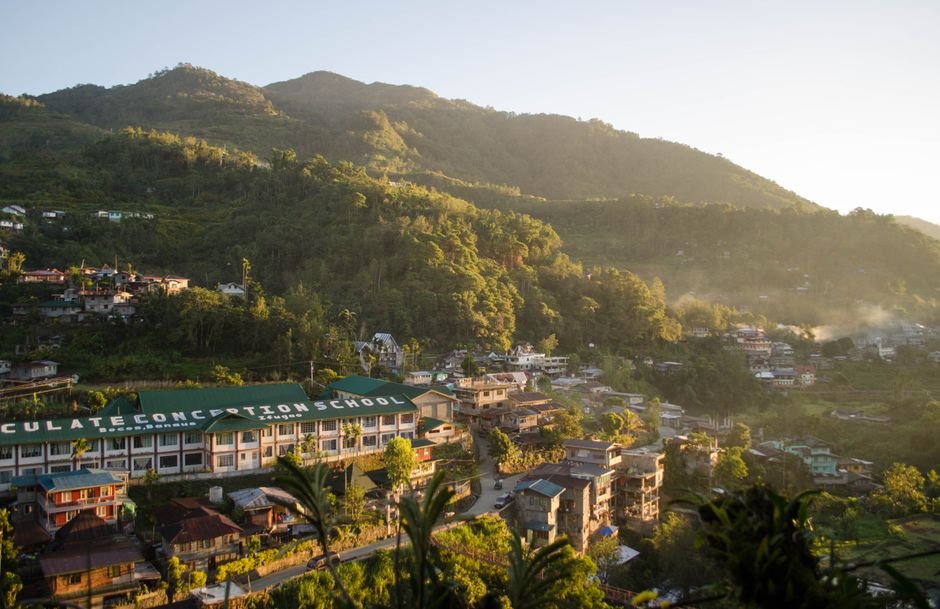
Sikkim is the kind of place people describe in superlatives: Kangchenjunga on the horizon, rhododendron valleys, monasteries wrapped in mist, and roads that climb straight into the clouds. It's also one of the cleanest and most welcoming states in India.
It is also a state where the permits, road conditions, and weather really do shape your trip. A little planning decides whether you spend your days at Tsomgo Lake and Yumthang or stuck at a checkpost. Here's a practical guide for Indian travellers.
For Sikkim itself: Reports say Indian citizens don't need a permit simply to enter the state. Permits apply to restricted areas beyond certain checkposts.
For the main sightseeing spots:
Who arranges it: Registered travel operators in Gangtok usually apply on your behalf, often the afternoon before travel, and permit offices exist at several district tourism offices. Online options are also reported.
What to carry: Two passport-size photographs per person, a government photo ID (voter ID, driving licence, or passport are safest, with Aadhaar generally accepted but best backed up by a second ID), and photocopies as well as originals.
Costs: The government permit fee is reported as nominal or nil, and most of what you pay is operator service charges. Some operators quote around ₹200 per person for a Nathula permit, and roughly ₹6,500-8,000 per vehicle for a full Tsomgo, Baba Mandir, and Nathula day trip. These are not official tariffs, so confirm before paying.
Nathula days: Access is often limited to certain days of the week, and it can close for weather or security reasons. Ask your operator which days apply to your dates.
A recent example of crowd pressure: In late May 2026, Sikkim's 3rd Mile checkpost reportedly recorded over 16,000 tourists in five days heading toward Nathula and Tsomgo, as families fled the heat in the plains. Hotels and transport were stretched, and some North Sikkim spots were closed by landslides and weather. If you must travel in May or June, book early and keep flexible dates.
Sikkim has no functioning railway or scheduled flights, according to one source. Most travellers fly into Bagdogra (IXB) or take a train to New Jalpaiguri (NJP) in Siliguri, then drive about four to five hours to Gangtok. A railway link (Sivok-Rangpo) is planned but is not yet running.
Always include a buffer day, especially if you plan North Sikkim. Weather delays are common.
Do Indians need a permit for Sikkim? Not to enter the state itself, but restricted areas like Tsomgo Lake, Nathula, and North Sikkim need permits, usually arranged by your tour operator.
What is the best time to visit Sikkim? March to May for flowers and October to December for clear mountain views. Monsoon is the hardest season for travel.
How many days do I need for Sikkim? Six to seven days covers Gangtok, Tsomgo Lake, and North Sikkim, with a buffer for weather.
How do I reach Gangtok? Fly to Bagdogra or take a train to NJP, then drive about four to five hours.
Is North Sikkim open all year? Access depends on weather and road conditions. Landslides and snow can close it, so check before you go.
Permits, weather, and long mountain drives are easier with someone coordinating them. Our team at Flying Carpet Travel Corporation can plan your Sikkim route, arrange permits through registered partners, and keep a backup plan ready.
Compare quotes from top travel experts