Hampi Travel Guide 2026-27: Best Time, 2-Day Itinerary & How to Reach
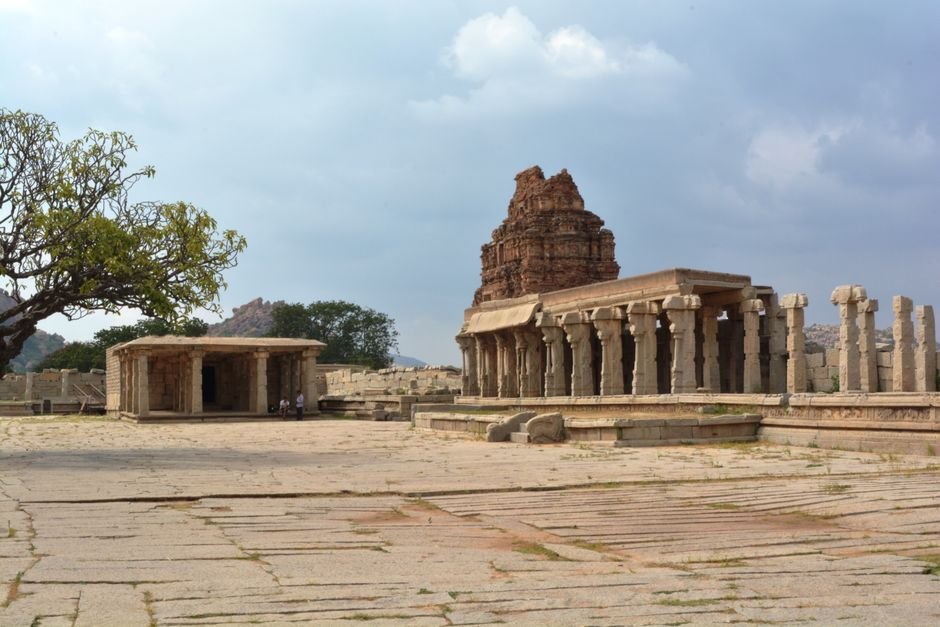
Hampi doesn't look like anywhere else in India. Boulders the size of houses are piled across a landscape of banana fields and the Tungabhadra River, and between them stand the ruins of the Vijayanagara Empire: temples, bazaars, royal enclosures, and a stone chariot that appears on the ₹50 note.
It's a UNESCO World Heritage site, a favourite with history lovers and photographers, and one of the best winter trips in South India. Here's how to plan it so you see the best of it without baking in the midday sun.
Why Hampi Is Worth the Trip
Hampi was the heart of the Vijayanagara Empire, and the scale of what's left is striking. The site covers a huge area, with groups of monuments spread across rocky hills and valleys. That means it's less like a single museum and more like a landscape to explore slowly, ideally over two or three days.
The Main Sights
Here's a practical way to group what you'll see:
Around Virupaksha Temple
- Virupaksha Temple: The living temple at the heart of Hampi, usually open in the morning and evening.
- Monolithic Nandi: A large Nandi bull statue about a kilometre away.
- Hemakuta Hill: Home to the Kadalekalu Ganesha and Sasivekalu Ganesha shrines, with good views over the village.
Royal-era monuments
- Stone Chariot: The famous stone temple chariot and Hampi's best-known image.
- Lotus Mahal: An elegant, arched structure in the royal enclosure. It's one of the few sights with a ticket, reported at around ₹10 for Indian visitors (check the current price).
- Also worth seeing: the Queen's Bath, the Stepped Tank, and the Archaeological Museum.
A quieter valley
- Achyutaraya Temple: Set between Gandhamadana and Matanga hills, and less crowded than the main sights.
Outdoors
- Matanga and Hemakuta hills: Good for treks, especially at sunrise or sunset.
- Tungabhadra River: Time by the river and local coracle rides are popular among visitors.
Entry fees and timings at protected monuments can change, so confirm on site or with your guide.
Best Time to Visit Hampi
- November to February (winter): The best time. Days are pleasant for walking among the ruins, and the evenings are cool.
- October and March: Some sources include these as part of the good season, though March can start to get hot.
- March to June: Very hot, with temperatures that can exceed 40°C.
- July to September (monsoon): Heavy rain, with a greener landscape but a less comfortable time for long walks.
Hampi Utsav: Karnataka's annual cultural festival at Hampi is held in the winter, typically with folk performances, processions, and night-time illumination of the monuments. The dates change every year, and the information we found didn't confirm a date for the next edition, so check the Karnataka Tourism website before planning your trip around it. Hotels in Hampi and nearby Hosapete fill up months ahead during festival time.
How to Reach Hampi
- By air: Reports list Jindal Vijayanagar Airport (Vidyanagar) about 40 minutes away, with Hubballi (around 160 km) and Bengaluru (around 340 km) as alternatives.
- By train: Hosapete (Hospet) Junction is the nearest rail station, about 13 km from Hampi. Taxis and local buses run from there.
- By road: About six hours from Bengaluru, via good highways, with buses also running to Hosapete from Bengaluru, Hyderabad, and Goa.
A 2-Day Itinerary
- Day 1 (Sacred and royal areas): Early morning at Virupaksha Temple, Monolithic Nandi, then Hemakuta Hill and the two Ganesha shrines. After lunch, the Stone Chariot area and the royal enclosure, including the Lotus Mahal. Sunset from a hilltop.
- Day 2 (Quieter corners): Start early at Achyutaraya Temple and the valley route, then spend time by the Tungabhadra River. After lunch, a museum visit or a relaxed café afternoon before leaving.
With a third day, add a sunrise trek on Matanga Hill or explore further around the area.
Practical Tips
- Start early. The mornings are cooler and the light is better for photos.
- Wear comfortable shoes. The ruins involve a lot of walking over uneven ground.
- Carry a hat, sunglasses, and sunscreen, even in winter.
- Carry a reusable water bottle. Hampi is described as a plastic-free zone.
- Respect temple rules. Photography is generally allowed at most sights but not inside inner sanctums.
- Book early if you're travelling in peak winter or during the festival.
- Hire a local guide if you want the history explained. It makes the ruins much more meaningful.
Frequently Asked Questions
What is the best time to visit Hampi? November to February is the most comfortable. Avoid peak summer heat and heavy monsoon rain.
How many days do I need for Hampi? Two days covers the main sights, while three days lets you slow down and add treks and river time.
How do I reach Hampi? Via Hosapete (Hospet) by train, or by road from Bengaluru in around six hours. There are also nearby airports, with Hubballi and Bengaluru as alternatives.
Is Hampi good for families? Yes, though it involves a lot of walking and sun exposure, so go in winter, start early, and take breaks.
Is there an entry fee? Many sights are reported as free, with some ticketed monuments such as the Lotus Mahal. Confirm current fees on site.
Planning a Hampi Trip? Let Us Help
Hampi works best when the timing, stay, and guide are planned in advance. Our team at Flying Carpet Travel Corporation can put together a Karnataka heritage trip around your dates, whether you want Hampi alone or a wider circuit.